 WhatsApp Us Now

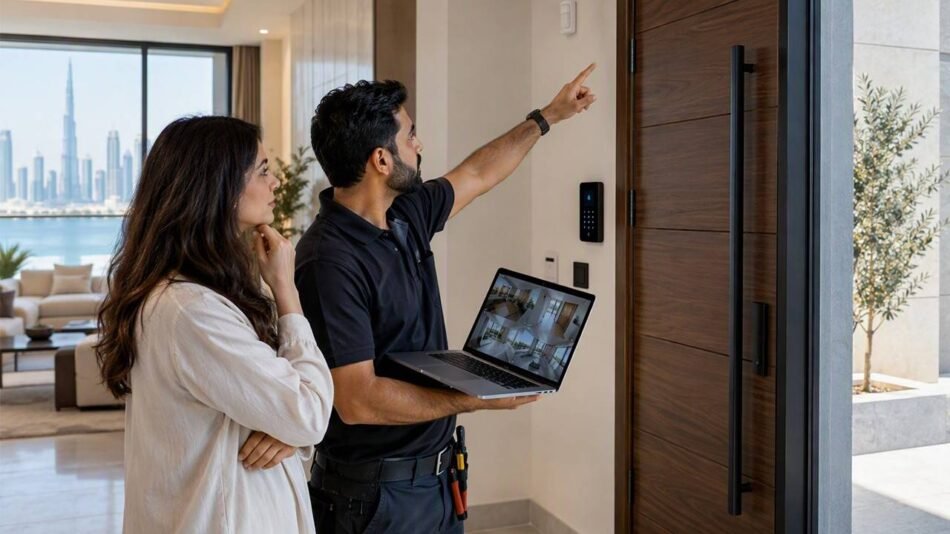
Living independently can become easier for older adults when their homes are designed to meet their daily needs. Home Automation Companies work with smart devices that can help people control lights, doors, temperature, and other home features with less physical effort. These systems can support everyday tasks and help older adults feel more comfortable in their own homes. However, the right features depend on each person’s needs, mobility, comfort with technology, and daily routine.
1. Voice Control for Everyday Tasks
Voice control allows people to operate compatible devices by speaking simple commands. Instead of walking to a switch or searching for a remote control, an older adult may be able to turn on lights, adjust the room temperature, or play music using their voice.
Voice assistants can also help with simple tasks, such as setting reminders or checking the time. These features may be useful for people who find it difficult to reach switches or use small buttons.
For the system to work well, the voice assistant should be easy to understand and use. It is also important to check whether it can hear commands clearly when a television or other device is running. Physical switches should remain available when possible, so users have another way to control essential devices.
2. Smart Lighting to Reduce the Risk of Falls
Poor lighting can make it harder to move safely around the home, especially at night. Smart lighting can help older adults see hallways, stairs, bedrooms, and bathrooms more clearly.
Motion sensors can switch on lights when someone enters a room or walks through a hallway. Scheduled lighting can also turn on selected lights during the evening or early morning.
For example, a low-level light near the bed can help someone see the path to the bathroom at night. Automated lighting may reduce the need to search for a wall switch in a dark room.
The placement and brightness of lights are important. Lights should provide enough visibility without creating glare. Smart lighting should support other safety measures, such as clear walking paths, secure handrails, and suitable flooring.
3. Smart Door Locks for Easier Access
Smart door locks can make entering and leaving a home more convenient. Depending on the model, users may unlock a door using a keypad, mobile phone, access card, or another supported method.
This can help older adults who have difficulty handling small keys or remembering where they placed them. Some systems can also show whether a door is locked and allow authorised family members or carers to manage access when needed.
Before choosing a smart lock, check how it works during a power or internet failure. A suitable backup method is important in case the main access method stops working.
Privacy and security should also be considered. Access should be limited to trusted people, and the user should understand how to lock and unlock the door without relying entirely on a mobile app.
4. Smart Thermostats for Comfortable Rooms
Maintaining a comfortable indoor temperature is important for older adults. Smart thermostats can make it easier to adjust heating or cooling without repeatedly walking to a control panel.
Users may set a preferred temperature or create a schedule for different times of the day. Some systems allow temperature changes through voice commands or a mobile app.
In warm places such as Dubai, smart air conditioning controls can help manage cooling throughout the day. For example, the temperature can be adjusted before bedtime or when someone spends most of the day in one room.
The system should be simple to operate and should not make automatic changes that cause discomfort. Clear temperature displays and easy-to-use controls can make daily adjustments easier.
5. Emergency Buttons and Safety Sensors
Emergency buttons and suitable safety sensors can help older adults contact someone when assistance is needed. A wearable emergency button or a fixed alert device may allow a person to send a notification to a trusted contact.
Some smart home systems can also use sensors to detect events such as smoke, water leaks, or unusual door activity. Alerts can help residents or authorised contacts respond to possible problems.
These devices have different purposes, so it is important to choose them carefully. A standard motion sensor, for example, does not automatically detect a fall or confirm that someone needs help.
Emergency devices should be easy to reach and test. Families should also agree on who will receive alerts and what steps they should take when an alert arrives. Smart alerts should support a clear safety plan rather than replace appropriate care.
6. Smart Appliances for Daily Activities
Some smart appliances can make household tasks easier for older adults. Depending on the product, users may be able to operate appliances through simple controls, scheduled settings, or voice commands.
For example, a smart plug may allow a suitable lamp to be controlled remotely. A connected appliance may provide an alert when a task is complete. However, not every appliance should be connected to an automatic power control.
Safety is especially important with cooking equipment, heaters, and other devices that produce heat. Remote control features should be used only when the appliance supports them safely. Automatic shut-off functions and clear operating instructions can also be helpful.
The aim is to make daily activities easier without adding complicated steps or creating new risks.
7. Simple Controls and Easy-to-Use Systems
A smart home should be easy for the person living in it to understand. Too many apps, screens, and complicated settings can make everyday tasks harder instead of easier.
A simple control panel can bring selected functions together, such as lighting, air conditioning, and door locks. Large buttons, clear labels, and easy-to-read displays may help users who have difficulty seeing small text or operating touchscreens.
It is also useful to keep familiar controls where possible. Older adults should have time to learn the system and practise using it before relying on it every day.
When planning a system, consider the person’s preferences, abilities, and willingness to use new technology. Family members or carers can help with setup if the older adult wants their support.
8. Planning Smart Home Features Around Individual Needs
Every older adult has different needs. Some may benefit from voice-controlled lighting, while others may need easier door access, temperature controls, or emergency alert devices.
Start by identifying the daily tasks that cause difficulty. Then consider which features could make those tasks easier without making the home harder to manage. Check device compatibility, backup options, privacy settings, and maintenance requirements before making changes.
Comparing options from Home Automation Companies can help families understand how different devices may work together. The main priority should be a home that supports independence, comfort, and safety while allowing the older adult to remain in control of daily decisions.


