 WhatsApp Us Now

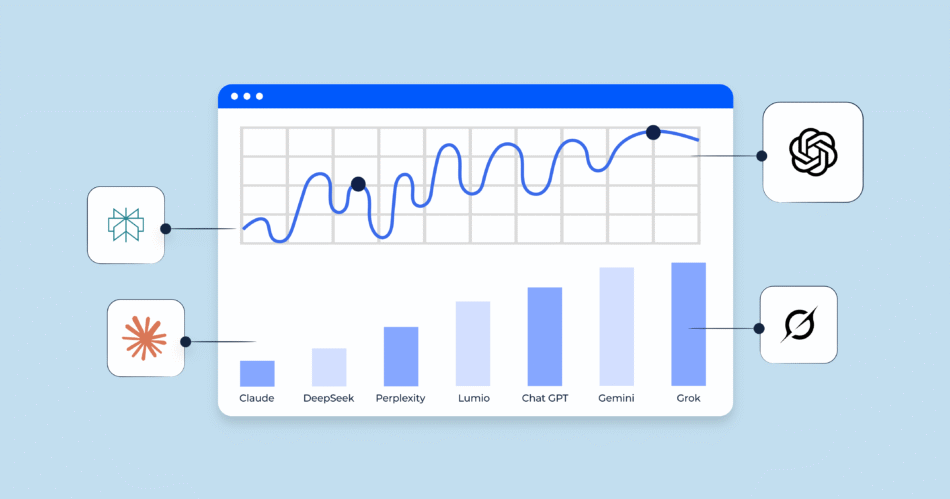
The way people search for information online is changing rapidly. Traditional search engines have long been the primary source of information, helping users discover websites through keyword-based results and ranked web pages. However, artificial intelligence has introduced a new approach to information discovery. Platforms such as ChatGPT, Google AI Overviews, Perplexity, and other AI-powered search experiences are changing how users find answers, compare products, and explore services. Instead of browsing multiple websites, users can now receive direct, conversational responses generated by large language models (LLMs).
This shift has created new opportunities and challenges for businesses that want to maintain their online visibility. Ranking on traditional search engine results pages is no longer the only important consideration. Companies also need to understand whether their brands, products, and services appear in AI-generated answers. This is where an LLM ranking tool becomes valuable.
These tools help businesses monitor their presence across AI-powered platforms, understand how language models mention their brands, and identify opportunities to improve their visibility. They provide insights that traditional SEO tools may not fully cover. As AI search continues to develop, monitoring performance across these platforms is becoming an important part of a modern digital marketing strategy.
Understanding the Changing Landscape of AI Search
AI search works differently from traditional search engines. Instead of displaying a list of websites based primarily on relevance and ranking signals, large language models process information from multiple sources and generate responses that address users’ questions directly.
For example, someone searching for the best digital marketing agency may ask ChatGPT or Perplexity to recommend reliable companies. The AI platform may mention several businesses, compare their services, and provide supporting website links. Brands that are not included in these responses may miss opportunities to reach potential customers.
This makes AI search visibility an important consideration for businesses. Companies must focus on creating helpful content, building brand authority, maintaining accurate online information, and earning mentions from credible sources.
An LLM ranking tool helps marketers understand how their brands perform in this changing environment. Rather than relying entirely on assumptions, businesses can evaluate their actual presence in AI-generated responses and develop strategies based on measurable information.
Monitoring Brand Visibility Across Multiple AI Platforms
One of the biggest advantages of ranking tools is their ability to monitor brand visibility across different AI platforms. Each platform uses its own models, information sources, and methods to generate responses. As a result, a business might receive regular mentions on one platform but remain largely invisible on another.
For instance, ChatGPT may recommend a particular company when answering industry-related questions, while Perplexity may highlight its competitors. Similarly, Google AI Overviews and Gemini may present different sources depending on the user’s search intent.
Monitoring these platforms individually can become time-consuming, especially for businesses managing several products, services, and target markets.
A reliable monitoring solution brings these insights together in one place. It allows marketers to examine brand mentions, citations, recommendations, and visibility trends across supported AI platforms. This makes it easier to understand where a business is performing well and where improvements are necessary.
Cross-platform monitoring also helps businesses avoid depending on a single AI platform. A wider presence increases the opportunities for potential customers to discover their services through different AI-powered experiences.
Understanding Brand Mentions and AI Citations
Brand mentions and citations are two important indicators of AI search performance. Although they are closely related, they represent different types of visibility.
A brand mention occurs when an AI-generated response includes a company’s name, product, or service. For example, when a user asks an AI assistant to recommend reliable SEO agencies, the platform may mention several companies in its response.
A citation goes one step further. It occurs when an AI platform references or links to a particular website as a source of information. Citations can help users explore the original content and understand where the AI-generated information comes from.
Both indicators provide useful insights into brand performance. Mentions help businesses understand their visibility and recognition, while citations show whether their online content is being used as a supporting source.
Businesses should monitor these indicators together rather than focusing on only one metric. A company may receive frequent mentions but very few website citations. This could indicate that its brand is recognized, but its website content is not being selected as a prominent source.
Tracking these differences helps marketers identify opportunities to improve content quality, strengthen website authority, and increase the chances of being referenced in relevant AI responses. Yext+1
Identifying Competitors and Measuring Market Share
Understanding competitor performance is another important reason to monitor AI search rankings. In competitive industries, several businesses may offer similar products or services. However, AI platforms may consistently recommend only a small selection of brands when users request suggestions.
Without proper monitoring, businesses may not realize that competitors are receiving more visibility in AI-generated answers.
Ranking tools help solve this problem by comparing brand mentions, citations, recommendations, and share of voice. These insights show how frequently competitors appear for relevant questions and which topics generate the most visibility for them.
For example, a software development company may discover that competitors are regularly mentioned when users ask about mobile app development services. By examining the prompts and sources associated with those recommendations, the company can identify areas where its own online presence needs improvement.
Competitor analysis also helps businesses understand which content topics deserve more attention. If competitors receive citations from industry publications, comparison articles, and informative resources, marketers can explore similar opportunities through original and valuable content.
This approach encourages businesses to make informed improvements instead of simply publishing more articles without understanding their effectiveness.
Discovering Content Gaps and Optimization Opportunities
Content remains an important part of online visibility, but the expectations of AI-powered search are different from traditional keyword-focused SEO.
AI platforms aim to provide relevant and understandable answers to user questions. Therefore, content should address real search intent, explain topics clearly, and provide information that users can trust.
An LLM ranking tool can help identify content gaps by showing the questions and topics where a brand is missing from AI-generated responses. These insights allow marketers to understand which subjects competitors cover more effectively and where additional information may be needed.
For example, an online marketing agency may discover that its website contains several general SEO articles but lacks detailed information about local SEO, technical audits, or e-commerce optimization. If AI platforms frequently recommend competitors for these topics, the agency can create more focused resources to address the missing information.
Useful content optimization practices include:
- Creating detailed answers to common customer questions.
- Publishing original research and industry insights.
- Using descriptive headings and logical content structures.
- Including relevant facts, examples, and supporting information.
- Updating outdated information regularly.
- Providing clear explanations of products and services.
These improvements make content easier for both readers and search systems to understand. However, publishing optimized content does not guarantee AI citations. Performance should be monitored over time to determine which changes are producing meaningful results. Search Engine Land+1
Measuring Sentiment and Brand Reputation
Visibility alone does not determine whether a brand is performing successfully in AI search. The way an AI platform describes a company is equally important.
For example, an AI assistant might mention a business frequently but provide incomplete service details or outdated information. In another situation, it may recommend competitors while describing the business less favorably.
Sentiment monitoring helps marketers understand the overall tone of AI-generated brand references. It can identify whether a company is being presented positively, negatively, or neutrally across different prompts and platforms.
This information is particularly valuable for businesses operating in competitive markets, where customers often use AI assistants to compare providers before making purchasing decisions.
By reviewing sentiment and brand descriptions, companies can identify inaccurate information, missing service details, and possible reputation concerns. They can then improve their website content, update business listings, publish useful resources, and strengthen their presence on credible third-party platforms.
Consistent brand messaging is also important. Business descriptions, service information, product details, and company facts should remain accurate across relevant digital channels.
Monitoring sentiment regularly helps businesses understand whether their reputation is improving and whether AI platforms are presenting their brand information correctly.
Making Data-Driven SEO and Marketing Decisions
Traditional SEO campaigns often rely on metrics such as keyword positions, organic traffic, backlinks, impressions, and click-through rates. These measurements remain valuable, but they do not provide a complete picture of AI search performance.
Businesses need additional information to understand how frequently their brands appear in AI responses and whether their content is being cited as a source.
This is where an LLM ranking tool becomes an important part of a broader marketing strategy. It provides structured information that helps marketing teams evaluate their AI visibility and make more informed decisions.
For example, marketers can use performance reports to identify:
- Which AI platforms generate the most brand mentions.
- Which prompts frequently trigger competitor recommendations.
- Which website pages receive AI citations.
- Which topics have limited brand visibility.
- How brand sentiment changes over time.
- Whether optimization activities improve overall visibility.
These insights can help businesses prioritize their marketing activities. Instead of investing resources in every possible content topic, teams can focus on areas that offer meaningful opportunities for improved visibility.
Combining AI visibility data with traditional SEO analytics also creates a more complete understanding of digital performance. Businesses can evaluate organic search traffic alongside AI mentions, referral visits, and citation trends.
Supporting Long-Term AI Search Growth
AI search optimization is not a one-time activity. AI platforms continue to evolve, competitors publish new content, and the information available across the internet changes regularly.
A strategy that produces positive results today may require adjustments in the future. Businesses therefore need a consistent monitoring process to understand changes in their visibility and respond accordingly.
Regular performance tracking helps companies identify sudden drops in mentions, changes in competitor recommendations, and new opportunities across relevant search topics.
It also allows marketing teams to evaluate whether their content improvements are delivering the expected results. For example, after publishing a detailed industry resource, a business can monitor whether its website starts receiving citations for related questions.
However, businesses should avoid making decisions based on a single AI response. Generated answers can vary depending on prompt wording, location, platform updates, and available sources. Repeated measurements across a consistent set of relevant questions provide a more reliable picture of performance.
Long-term growth also requires a strong foundation. Helpful website content, credible backlinks, accurate brand information, positive customer experiences, and consistent publishing practices all contribute to a stronger digital presence.
A monitoring platform helps businesses evaluate these efforts and understand where additional improvements may be required.
Choosing the Right LLM Ranking Tool for Business Needs
Selecting the right monitoring platform is essential for getting useful insights from AI search data. Businesses should evaluate different solutions based on their marketing objectives, industry requirements, and available resources.
A suitable platform should offer comprehensive tracking features and provide clear reports that marketers can easily understand.
Some important features to consider include:
Multi-platform tracking: The platform should monitor major AI experiences, including ChatGPT, Gemini, Perplexity, and Google AI Overviews, depending on their availability and supported features.
Competitor analysis: It should help businesses compare their visibility with competing brands and identify opportunities to improve their market presence.
Citation monitoring: Tracking the websites and resources referenced by AI platforms helps marketers understand which sources contribute to brand visibility.
Prompt tracking: The ability to monitor relevant customer questions makes it easier to identify missing topics and evaluate performance across different search intents.
Sentiment analysis: Understanding how AI platforms describe a business helps companies monitor brand reputation and identify inaccurate information.
Performance reporting: Clear reports and historical comparisons allow marketing teams to measure progress and adjust their strategies.
The best LLM ranking tool should offer actionable insights rather than simply displaying visibility scores. Businesses should prioritize platforms that help them understand their performance, identify weaknesses, and make practical improvements.
Conclusion
AI-powered search is creating a new environment for online discovery, making brand visibility across large language models increasingly important. Businesses can no longer depend exclusively on traditional keyword rankings to understand their digital performance. They also need to monitor brand mentions, citations, recommendations, competitor activity, and sentiment across AI-powered platforms.
Using an LLM ranking tool allows marketing teams to gain better insights into these emerging search experiences. It helps identify content gaps, evaluate competitors, measure brand recognition, and discover opportunities to improve AI search visibility.
However, monitoring alone cannot guarantee better results. Businesses must combine performance insights with high-quality content, accurate brand information, credible online mentions, and consistent SEO practices. Companies that adopt this approach can build stronger digital authority and prepare their marketing strategies for the continued growth of AI-driven search.


