 WhatsApp Us Now

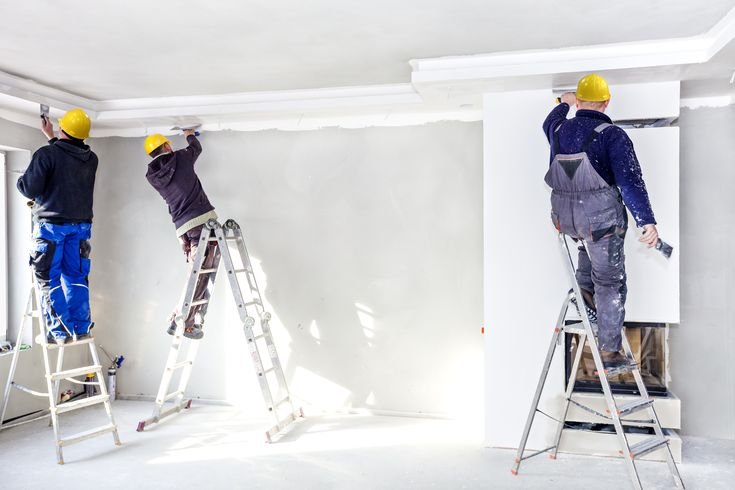
Keeping Interior Walls Looking Their Best
Plaster walls can develop cracks, holes, chips, and uneven areas as a property ages. Everyday impacts, moisture, settling, and previous repairs can also affect their appearance. Addressing these problems properly can help maintain a cleaner interior while preventing minor surface imperfections from becoming more noticeable over time.
Restoring Damaged Plaster Surfaces
Plaster Repair Services in Lynchburg VA can help restore interior walls affected by cracks, holes, worn finishes, and other forms of surface damage. A proper repair begins with examining the affected section and determining the condition of the surrounding material. This helps create a suitable approach for restoring the wall.
Identifying the Cause of Wall Damage
Understanding why plaster has become damaged can make the repair process more effective. Cracks may result from normal settling or movement, while moisture can cause bubbling, staining, or crumbling. Accidental impacts can create holes and deep dents. Recognizing the likely cause helps determine what should be addressed before finishing the surface.
Preparing the Damaged Area
Good preparation provides an important foundation for a lasting repair. Loose plaster, dust, crumbling material, and unstable edges may need to be removed before new material is applied. Cleaning and preparing the damaged section allows repair compounds to bond more effectively and creates a more controlled surface for the finishing stages.
Repairing Cracks and Small Holes
Small cracks and holes are common in older and frequently used interiors. Simply covering these imperfections may not provide a smooth or durable result. The damaged area should be prepared before suitable repair material is applied. Careful filling and smoothing can help reduce visible marks and create a more consistent surface.
Handling Larger Damaged Sections
Some plaster problems extend beyond minor surface imperfections. Large holes, loose sections, water-related deterioration, or heavily damaged areas may require additional work. Severely deteriorated material may need to be removed before the area can be restored. This creates a stronger foundation and allows the repair to connect properly with surrounding surfaces.
Matching Existing Plaster Finishes
Plaster walls can have different textures depending on the property’s age, construction, and previous renovations. A new repair may stand out if its texture does not match the surrounding wall. Paying attention to surface depth, smoothness, and texture can help create a transition that looks more natural after the repair is finished.
Combining Different Wall Repair Needs
Many properties contain more than one type of wall material. A home may have plaster in some rooms and drywall in others because of previous remodeling work. Drywall & Wall Repair Services can help address related wall concerns, allowing different damaged areas to be considered together when several surfaces need attention.
Preparing Walls Before Painting
Fresh paint can make imperfections easier to see when the surface underneath has not been prepared correctly. Small ridges, uneven patches, and visible transitions can become noticeable under natural or artificial lighting. Proper sanding, smoothing, and preparation help create a more uniform foundation and can improve the appearance of the finished coating.
Addressing Moisture-Related Plaster Damage
Moisture can have a significant effect on plaster surfaces. Persistent leaks or excessive dampness may cause staining, soft areas, bubbling, peeling, or crumbling. Repairing only the visible portion may not be enough if moisture continues to affect the wall. The surrounding condition should therefore be considered before completing restoration work.
Preserving the Character of Older Homes
Plaster is often found in older properties and can contribute to their original character. Replacing an entire wall unnecessarily may change the appearance of the room. Careful localized repairs can preserve existing material while addressing damaged sections. Matching the surrounding finish can also help maintain a more cohesive appearance.
Improving the Appearance of Living Areas
Damaged walls can make rooms appear unfinished even when furniture, flooring, and other features are in good condition. Restoring cracks, holes, and uneven surfaces can improve the overall look of bedrooms, hallways, living rooms, offices, and other areas. A smoother wall also provides a better foundation for future decorating projects.
Supporting Remodeling and Decorating
Wall restoration is often useful before a larger interior update. Homeowners may plan to repaint, install new trim, change lighting, or update furniture after repairs are completed. Addressing damaged plaster first can provide a cleaner starting point for these improvements and reduce the chance that existing surface problems affect the finished appearance.
Paying Attention to Finishing Details
Small finishing details can make a significant difference in how a repair looks. Edges should be blended carefully, repaired sections should be sufficiently smooth, and unnecessary ridges should be removed. Taking adequate time during the finishing stage can help reduce visible transitions and create a surface that looks more consistent with the surrounding wall.
Maintaining Repaired Plaster
After repairs are completed, regular observation can help homeowners identify new problems early. Cracks, stains, soft spots, or changes in texture may indicate that another issue is developing. Keeping an eye on previously damaged areas is especially useful when moisture or repeated movement contributed to the original problem.
Choosing the Right Repair Approach
Every plaster wall has its own condition, history, and finish. The most suitable repair method depends on the type of damage, material condition, size of the affected area, and desired final appearance. Considering these factors helps ensure the work addresses the actual problem instead of relying on a simple surface patch.
Creating a Cleaner Interior Finish
Well-maintained plaster can contribute greatly to the appearance of a home. Proper inspection, preparation, repair, smoothing, and finishing work can restore damaged areas while preserving the surrounding surface. By addressing problems carefully and considering the condition of the entire wall, homeowners can create a cleaner and more consistent interior environment.


