 WhatsApp Us Now

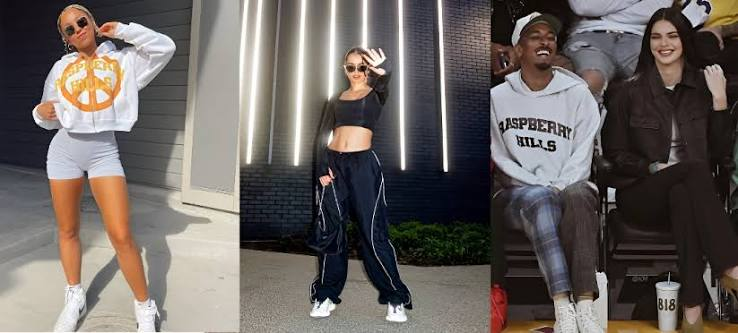
Getting dressed every day can become surprisingly repetitive when the same clothing combinations appear week after week. The solution is not necessarily buying more clothes. A better approach is learning how to rotate existing pieces, create different combinations, and make small adjustments that give familiar outfits a fresh appearance.
A thoughtful outfit rotation makes daily styling easier while helping you get more use from your wardrobe. By focusing on versatility, practical choices, and personal preferences, you can develop a collection of everyday looks that feels varied without becoming complicated.
Understanding the Value of an Outfit Rotation
An outfit rotation is a group of clothing combinations you can rely on throughout the week. It provides a starting point for getting dressed while leaving enough flexibility to adapt to changing plans and weather.
Instead of deciding what to wear from scratch every morning, identify several combinations that already work well together. One might feature jeans and a simple top, another could use relaxed trousers and a hoodie, and a third might focus on shorts for warmer days.
Raspberry Hills Clothing can be incorporated into this approach by selecting versatile pieces that coordinate with your existing wardrobe. The objective is to make everyday dressing more convenient while preserving the freedom to experiment with your personal style.
Identify the Pieces You Wear Most Often
Start by paying attention to your actual habits. Some garments may look appealing in your closet but rarely make it into your regular outfits. Others may become dependable favorites because they feel comfortable and work with many different items.
Notice which tops, bottoms, and shoes you choose repeatedly. These pieces provide useful information about your preferred fits, colors, and everyday needs.
Once you understand your preferences, building outfits becomes more straightforward. You can prioritize clothing that supports your routine rather than purchasing items based only on temporary trends.
This process also helps identify genuine gaps in your wardrobe. If you frequently need a lightweight layer or another pair of comfortable trousers, you can address that need instead of adding something that serves no clear purpose.
Build Several Outfits Around One Hoodie
A hoodie can create multiple looks when you change the garments surrounding it. Pairing it with denim produces a familiar casual combination, while relaxed trousers introduce a different silhouette. Adding a jacket creates another option for cooler conditions.
A Raspberry Hills Hoodie can serve as one of the central pieces in an outfit rotation because it works with several types of casual clothing. Choose a color that complements your existing tops and bottoms if versatility is a priority.
You can also change the overall mood through footwear. Simple sneakers create an understated appearance, while chunkier designs can make the outfit feel more expressive.
Keep a few combinations in mind rather than relying on one fixed formula. This makes it easier to reuse a favorite garment without feeling as though you are wearing exactly the same outfit every time.
Make Color Coordination Work for You
Color coordination helps separate outfits visually, even when they contain familiar pieces. A wardrobe built around a few complementary shades offers more flexibility than one filled with colors that are difficult to combine.
Black, grey, white, beige, and navy are practical foundations. You can pair them in different ways or introduce a distinctive shade when you want to change the appearance of an outfit.
For example, dark trousers with a light top create a noticeable contrast, while similar tones create a more understated combination. Neither approach requires additional clothing if the pieces already exist in your wardrobe.
Try planning combinations around two or three main colors. This simple method can make choosing an outfit faster and reduce the temptation to buy new items whenever you want a different look.
Create Different Silhouettes With the Same Bottoms
The shape of an outfit changes when you pair the same trousers or shorts with different tops. This is one of the easiest ways to create variety without expanding your clothing collection.
Straight-leg jeans can look relaxed with an oversized T-shirt or more structured with a regular-fit top and lightweight jacket. Cargo trousers introduce a utility-inspired appearance, while cleaner casual trousers can create a more understated direction.
Raspberry Hills Shorts can also provide several styling options during warmer weather. Wear them with a basic T-shirt for a simple daytime outfit, or introduce a lightweight overshirt when you want an additional layer.
Pay attention to the proportions of the upper and lower pieces. A change in fit can have a greater effect on the overall outfit than adding several accessories.
Plan Outfits According to the Weather
A useful outfit rotation should respond to the conditions you actually experience. Heavy clothing may be practical on colder days, but it can quickly become uncomfortable when temperatures rise.
For warmer conditions, prioritize breathable tops, lighter bottoms, and footwear suitable for extended wear. When temperatures become cooler, introduce hoodies, overshirts, or jackets that can be removed when necessary.
Check the expected weather before organizing your clothing for the week. This helps you prepare suitable combinations without making last-minute changes or carrying unnecessary layers.
Seasonal adjustments do not always require a completely different wardrobe. Many familiar pieces can remain useful throughout the year when combined with appropriate layers.
Use Accessories to Refresh Familiar Combinations
Accessories can make an outfit feel different without changing its main clothing pieces. A cap, shoulder bag, watch, or simple jewelry can introduce a personal detail that changes the overall impression.
For a minimal outfit, a distinctive accessory can provide contrast. If the clothing already includes noticeable graphics or strong colors, simpler accessories may create a more balanced result.
Footwear can also influence how an outfit feels. The same trousers and hoodie may appear more athletic with sport-inspired sneakers or more understated with a cleaner shoe design.
Keep accessories practical and easy to combine with several outfits. Items that work across your rotation provide greater value than details that only suit one specific look.
Organize Your Wardrobe for Faster Decisions
The way you organize clothing can influence how easily you create outfits. Keep frequently worn pieces accessible and group similar items together so that you can quickly see the options available.
You might separate everyday tops, heavier layers, trousers, shorts, and accessories. The organization does not need to be elaborate; it simply needs to help you identify useful combinations without searching through everything you own.
You can also keep a short list of outfit ideas on your phone or remember a few dependable formulas. For example, a hoodie with straight-leg jeans and sneakers can serve as a reliable option when you need to get ready quickly.
As your preferences change, update your rotation. Remove combinations that no longer suit your routine and keep the ones that consistently feel comfortable and appropriate.
Avoid Repeating Outfits in Exactly the Same Way
Wearing favorite clothes repeatedly is practical, but small changes can help maintain variety. Switch the top layer, use different footwear, or adjust the color balance to create a new appearance from familiar garments.
You might wear a neutral hoodie with dark jeans one day and pair it with lighter trousers later in the week. During warmer conditions, the same color palette can be carried into a combination featuring shorts.
The goal is not to avoid repeating clothing. Reusing garments is an efficient way to build a functional wardrobe. Instead, explore different combinations so that your style remains flexible and reflects your changing plans.
Shop With Your Existing Wardrobe in Mind
When considering a new clothing item, think about how it will fit into your current collection. Ask whether it coordinates with several garments you already own and whether you can imagine wearing it regularly.
Raspberry Hills can inspire a casual style built around adaptable essentials, but the most important consideration is how each piece fits your individual needs. Choose garments because they suit your preferred appearance and routine rather than because you feel pressure to follow every trend.
It can be helpful to identify several possible outfits before making a purchase. If a new item only works with one specific combination, it may be less useful than something that complements multiple pieces.
This approach encourages thoughtful decisions and makes it easier to maintain a wardrobe that feels personal, practical, and well coordinated.
Conclusion
An effective outfit rotation helps make everyday dressing simpler without limiting personal expression. By identifying your favorite pieces, coordinating colors, experimenting with proportions, and adapting clothing to the weather, you can create a wide range of looks from a manageable wardrobe.
Focus on garments that work together and make small adjustments when you want something different. With a little planning, familiar clothing can continue to feel useful, comfortable, and relevant to your everyday routine.
Frequently Asked Questions
What is the best way to create an outfit rotation?
Start with the clothing you wear most often and create several combinations that suit your routine. Keep the pieces versatile so you can adapt them to different activities and weather conditions.
How can I make repeated outfits feel different?
Change the footwear, top layer, color combination, or accessories. Small adjustments can create a noticeably different appearance without requiring new clothing.
How many pieces do I need for a versatile wardrobe?
There is no fixed number. Choose enough clothing to support your routine, preferred style, and local climate while ensuring that your main pieces work well together.
Can a hoodie be worn throughout the year?
Yes. Lightweight hoodies can work during mild conditions, while heavier versions are useful when it is colder. Layering choices should reflect the temperature and your comfort.
How can I avoid unnecessary clothing purchases?
Review what you already own before shopping. Prioritize genuine wardrobe gaps and choose items that can be combined with several existing garments.


