 WhatsApp Us Now

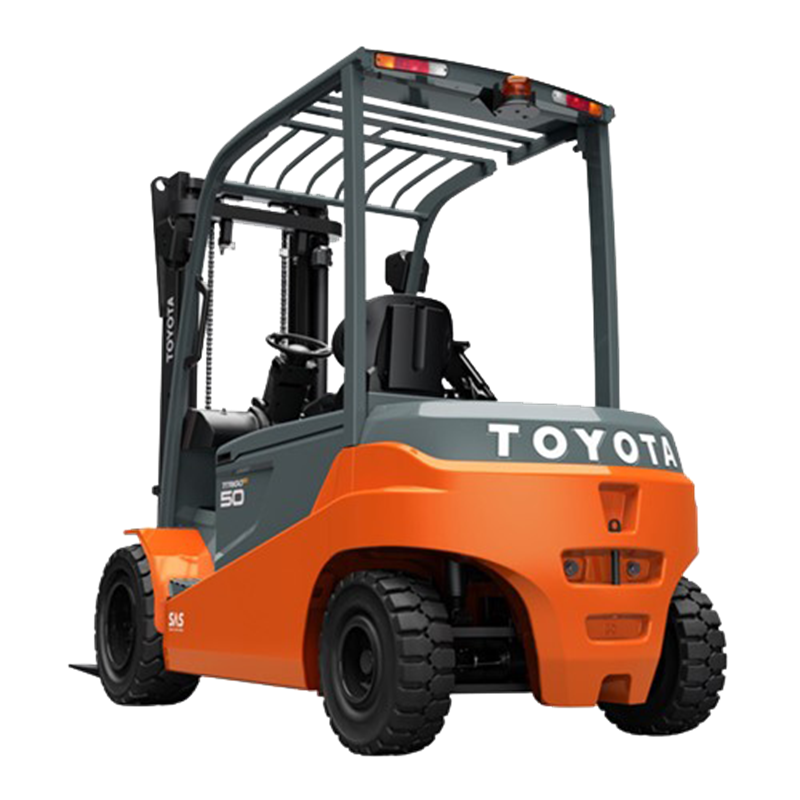
A warehouse can look busy and productive while still losing valuable time through inefficient material handling. Goods may be moving throughout the day, yet operators could be taking longer routes, equipment may be used beyond its practical workload, and storage areas may not be organised around the actual flow of inventory.
For Singapore businesses, these issues deserve attention because warehouse efficiency depends on how well people, processes, storage systems and equipment work together. A Toyota Forklift can become part of that improvement, but the first step is understanding whether your current material handling setup still matches the way your business operates.
When Your Warehouse Starts Outgrowing Its Forklift
Warehouse requirements rarely stay the same forever. A company may start with modest inventory levels, but business growth can bring higher order volumes, more storage locations, longer operating hours and increased movement between different areas.
The forklift fleet that worked well several years ago may eventually become less suitable for the operation. This does not necessarily mean the equipment is unusable. It may simply mean that the business needs to reassess how the equipment is being used.
Look at Your Daily Workload
One of the easiest ways to identify changing requirements is to examine the actual workload.
How frequently are pallets moved? How many hours are forklifts operating? Are operators regularly waiting for equipment? Are some machines being used much more heavily than others?
These observations can help warehouse managers understand whether existing equipment is still aligned with current demand.
Five Signs Your Forklift Strategy Needs a Review
A forklift does not have to fail completely before a business reviews its material handling strategy.
1. Operators Spend Too Much Time Travelling
Long travel distances can consume valuable working time. If storage locations and operational areas are poorly connected, forklifts may spend a significant part of the day moving between zones.
Reviewing warehouse flow can reveal whether changes to equipment or layout could improve efficiency.
2. Equipment Availability Is Becoming a Concern
When forklifts are frequently unavailable, warehouse teams may need to wait or rely on alternative equipment.
For operations where material movement is continuous, equipment availability deserves serious consideration as part of fleet planning.
3. Your Business Handles More Inventory
Higher inventory volumes can place additional demands on forklifts.
A warehouse that once required occasional pallet movement may eventually need equipment operating throughout much of the working day.
4. The Warehouse Layout Has Changed
Warehouse layouts often change as businesses add storage racks, production areas, staging zones or additional inventory.
When the physical environment changes, forklift requirements should also be reviewed.
5. Your Operating Hours Have Increased
A business that moves from a single shift to longer operating hours may place greater utilisation demands on its equipment.
This is another reason to evaluate forklift suitability based on actual usage rather than relying on previous purchasing decisions.
Toyota Forklift for Changing Warehouse Requirements
A Toyota Forklift can be considered when a business is reviewing its material handling strategy and looking for equipment that fits its operational requirements.
However, selecting a forklift should not begin with the brand alone. Businesses should first understand the application.
The type of load, warehouse environment, aisle dimensions, operating frequency and material flow all influence what equipment is appropriate.
Start With the Load
The load is one of the most important factors in forklift selection.
Businesses should understand the typical weight and dimensions of goods being handled, as well as how those loads are packaged and moved throughout the facility.
Occasional heavier or unusual loads should also be considered during the planning process rather than discovered after equipment has already been selected.
Think About the Warehouse Environment
The same forklift may not be suitable for every operating environment.
Indoor warehouse conditions, loading areas, storage aisles and mixed-use spaces can present different operational requirements.
Floor conditions, available space, traffic patterns and storage configuration should therefore form part of the evaluation.
Storage Racks Matter Too
If your warehouse relies heavily on racking, forklift requirements should be considered alongside the storage system.
The way pallets are stored and retrieved affects how equipment needs to manoeuvre through the facility.
This is why forklift selection and warehouse planning should not be treated as completely separate decisions.
The Operator Should Be Part of the Conversation
Warehouse operators understand the practical realities of material handling better than anyone reading an equipment brochure.
They know where congestion occurs, which routes are difficult, which loads are awkward to position and where visibility can become challenging.
Getting operator feedback before making a forklift decision can provide useful real-world information and help management evaluate equipment more effectively.
Maintenance Is Part of the Upgrade Decision
Replacing or adding forklifts should not be considered separately from maintenance planning.
Businesses should review maintenance history, recurring issues, equipment utilisation and service requirements.
A well-planned forklift strategy should include both equipment selection and a practical approach to keeping the fleet in suitable operating condition.
Toyota Forklift and Long-Term Warehouse Planning
The best equipment decision is rarely based only on today’s requirements.
Businesses should also consider how inventory levels, warehouse capacity, operating hours and customer demand may change.
This does not mean buying more equipment than necessary. Instead, it means making a decision with a realistic understanding of where the operation is heading.
Frequently Asked Questions
How do I know when my warehouse needs a forklift upgrade?
Look for changes in workload, operating hours, warehouse layout, equipment availability, maintenance demands and material movement. These factors can indicate that your existing forklift strategy should be reviewed.
What should I assess before choosing a Toyota Forklift?
Consider the loads being handled, warehouse layout, aisle conditions, storage system, operating environment, utilisation and maintenance requirements.
Should warehouse operators be involved in forklift selection?
Yes. Their practical experience can provide useful information about daily handling conditions, traffic flow and equipment challenges.
Is replacing an older forklift always necessary?
No. The decision should depend on equipment condition, operating performance, maintenance requirements and whether the machine remains suitable for the current application.
Can a forklift upgrade improve warehouse efficiency?
Suitable equipment can support more efficient material movement, but results also depend on warehouse layout, operator practices, traffic management and overall workflow design.
Give Your Warehouse Equipment a Proper Health Check
A forklift upgrade should never be based simply on the age of a machine or the excitement of buying new equipment. The smarter approach is to look at how your warehouse actually operates, identify the gaps and select equipment around those requirements.
If your Singapore warehouse is handling more goods, working longer hours or struggling with inefficient material movement, now is the time to review your forklift strategy. Speak with Sime UMW about Toyota Forklift solutions and turn your material handling challenges into a more organised, dependable and productive warehouse operation.
Link:https://toyota-mhe.simeumw.com/home


