 WhatsApp Us Now

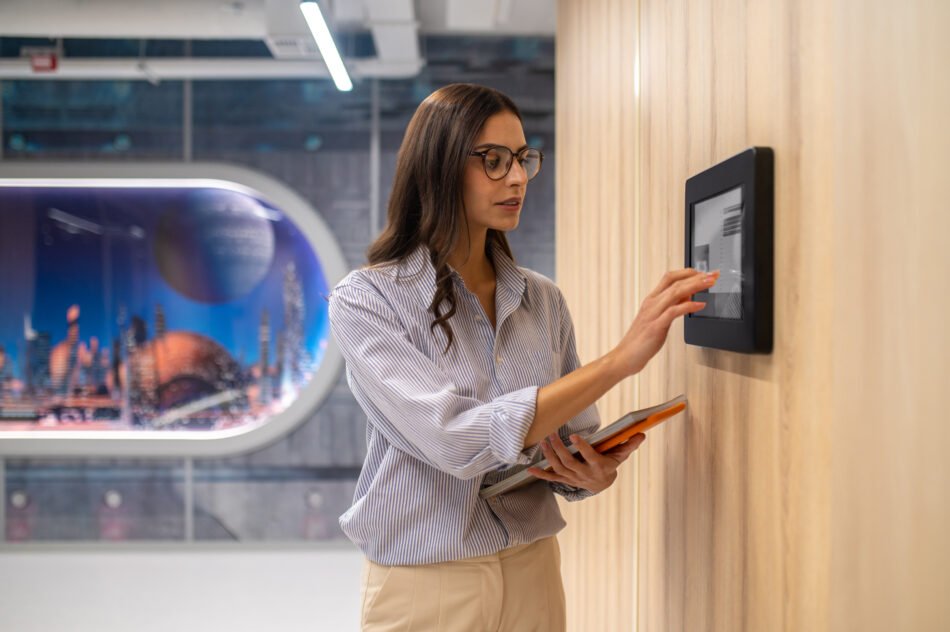
Planning Smart home Dubai solutions for a small apartment starts with understanding your daily routine. You do not need to automate every device at once. Instead, think about the tasks you want to make easier, such as controlling lights, adjusting air conditioning, managing curtains, or checking the front door.
For example, you may want lights to switch off automatically when you leave home or adjust the room temperature before you return. Making a list of these needs helps you choose useful devices without filling your apartment with unnecessary equipment.
Small apartments often have limited space, so every device should have a clear purpose. Start with the features that can make everyday activities more comfortable and easier to manage.
Choose the Right Smart Lighting
Smart lighting is a practical starting point for a small apartment. Smart bulbs, switches, and motion sensors can help you control lights through a mobile app, voice command, or automatic schedule.
For example, you can set the bedroom lights to turn off at bedtime or use softer lighting in the living room during the evening. Motion sensors may also help control lights in areas such as hallways or entrance spaces.
Before buying smart bulbs, check whether they work with your existing fittings and switches. In some apartments, replacing a regular switch with a smart switch may require a suitable neutral wire or other electrical changes. Check compatibility before installation.
It is also helpful to choose devices that work with the same smart home platform. This makes it easier to control different lights from one place.
Plan Air Conditioning Controls
Air conditioning is an important part of apartment comfort in Dubai. Smart temperature controls can help you manage cooling according to your daily schedule.
For example, you can adjust the temperature when leaving for work and set a comfortable level before returning home. Some systems also allow remote control through a mobile app.
However, not every air conditioner supports the same smart features. Some models work with smart thermostats, while others may need an infrared controller or a compatible interface.
Check the type of air conditioning system installed in your apartment before purchasing a controller. Also, consider the room size, cooling needs, and temperature settings. The goal is to maintain comfort while avoiding unnecessary cooling when it is not needed.
Make the Most of Limited Space
A small apartment needs a simple and organised setup. Large control panels, extra hubs, and too many connected devices can take up useful space or make the system difficult to manage.
Choose compact devices that fit naturally into your home. Smart plugs can control compatible lamps and selected electronic devices without requiring major changes. Wireless sensors can also reduce the need for additional wiring.
Before buying equipment, decide where each device will be placed. Keep routers and smart home hubs in suitable locations where they can communicate reliably with connected devices.
It is also important to check wireless coverage. Concrete walls, closed cabinets, and the distance between devices can affect communication. A small apartment may need only a few devices, but their placement still matters.
Add Smart Security Features
Security is another area to consider when planning an apartment automation system. Depending on the building rules and your needs, you may choose a smart door sensor, indoor camera, video doorbell, or smart lock.
A door sensor can send an alert when the entrance opens. An indoor camera may help you check your apartment remotely, while a compatible video doorbell can show who is at the door.
Before installing security devices, check your rental agreement or building requirements. Some apartments have rules about changing door locks, drilling walls, or placing cameras near shared areas.
Protect your privacy by using strong passwords, enabling available security updates, and checking who can access camera feeds. Choose devices with clear privacy settings and understand where recordings are stored.
Check Device Compatibility
Smart home products do not always work together. Some use Wi-Fi, while others use Bluetooth, Zigbee, Thread, or a dedicated hub. A device that works with one platform may not support every feature on another.
Before purchasing equipment, check whether it supports your preferred mobile app, voice assistant, and other devices you already own.
For example, if you want lights, curtains, and air conditioning to work through one app, confirm that the selected products can be connected to the same system. You should also check whether a hub is required.
Planning compatibility from the beginning can reduce setup problems and make future additions easier. It can also help you avoid buying devices that need separate apps for every function.
Set a Budget and Plan Installation
A smart apartment setup can begin with a few devices and expand over time. Your budget should include the cost of equipment, installation, any required hub, and possible electrical changes.
Start with one or two useful features, such as smart lighting and air conditioning control. After using them for a while, decide whether you need additional devices.
If you live in a rented apartment, consider portable options that do not require permanent changes. For owned apartments, you may have more flexibility, depending on building rules and electrical requirements.
Before installation, check whether the devices need professional setup. Electrical work, smart lock changes, and certain wired controls may require a qualified installer. Ask for clear details about the work, equipment, and ongoing support.
Create Simple Automation Rules
Once your devices are installed, create a few rules that match your routine. For example, a leaving-home setting might switch off selected lights and adjust compatible cooling controls. A bedtime setting could turn off living room lights and activate suitable security sensors.
Keep the first rules simple and test them carefully. Make sure essential equipment remains powered and that automation does not interrupt your comfort or safety.
As your needs change, you can update schedules and add compatible devices. A well-planned Smart home Dubai setup should fit the apartment, support daily routines, and remain easy to control without adding unnecessary complexity.


