 WhatsApp Us Now

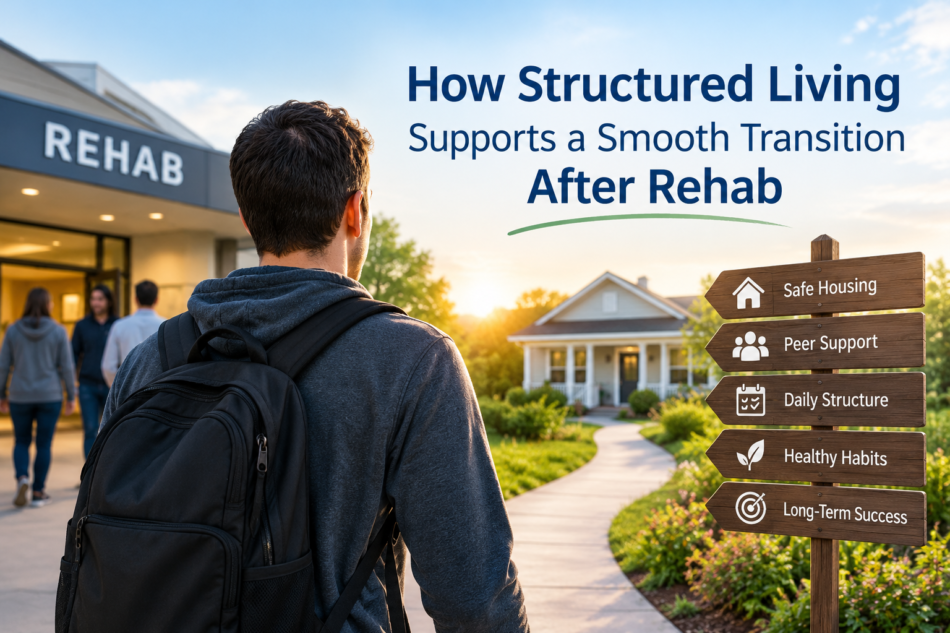
Completing a rehabilitation program is an important milestone in the recovery journey. However, returning to everyday life after treatment can bring new challenges. Individuals may need to adjust to personal responsibilities, employment, relationships, and social situations while continuing to maintain their sobriety. Without a supportive environment, managing these changes can sometimes feel overwhelming.
This is where structured living can make a meaningful difference. A recovery-focused living environment provides consistency, accountability, and opportunities to develop healthy habits. Structured sober living helps individuals gradually adjust to independent life while remaining connected to a supportive recovery community.
1. Understanding the Transition After Rehabilitation
Rehabilitation programs provide individuals with professional guidance, treatment, and recovery strategies. After completing treatment, individuals must begin applying what they have learned in real-world situations.
This transition can involve several adjustments, including:
- Returning to work or educational activities.
- Rebuilding relationships with family and friends.
- Managing personal finances and household responsibilities.
- Avoiding situations that may trigger substance use.
- Developing healthy routines and coping strategies.
Although completing rehab is a significant achievement, recovery continues beyond treatment. Having a stable living environment can help individuals manage these responsibilities without feeling pressured to handle everything immediately.
2. Creating Consistent Daily Routines
One of the most valuable benefits of structured living is the opportunity to establish consistent daily routines. During rehabilitation, individuals often follow schedules that include counseling, group activities, personal development, and wellness practices.
After leaving treatment, maintaining these habits independently can become difficult. A structured living environment encourages residents to continue following healthy routines.
Daily activities may include:
- Attending recovery meetings.
- Maintaining personal hygiene and cleanliness.
- Preparing nutritious meals.
- Participating in household responsibilities.
- Following employment or educational schedules.
- Setting aside time for rest and personal development.
These routines create a sense of stability and help individuals use their time productively. Over time, consistent habits can support greater independence and personal responsibility.
3. Building Accountability and Personal Responsibility
Accountability is an important part of maintaining progress after rehabilitation. During treatment, individuals receive guidance from professionals and follow established recovery plans. Once treatment ends, they must take greater responsibility for their decisions and actions.
In a structured recovery environment, expectations and household responsibilities encourage individuals to remain committed to their goals.
Residents may be expected to follow house guidelines, participate in community activities, attend recovery meetings, and contribute to maintaining a positive living environment.
Accountability is not about punishment or unnecessary restrictions. Instead, it helps individuals recognize the importance of making responsible decisions and following through on personal commitments.
With consistent practice, these habits can become part of everyday life.
4. Developing Healthy Relationships Through Peer Support
Recovery can sometimes feel isolating, especially when individuals are adjusting to life outside rehabilitation. Connecting with people who understand similar challenges can provide encouragement and emotional support.
Peer support is an important feature of many structured sober living communities. Residents have opportunities to interact with others who are also working toward healthier lifestyles.
Positive peer relationships can help individuals:
- Share experiences and recovery challenges.
- Learn from different recovery perspectives.
- Develop better communication skills.
- Encourage one another to maintain healthy habits.
- Build friendships based on mutual respect.
Living in a supportive community can also reduce feelings of isolation. However, peer support should complement professional treatment rather than replace it.
5. Strengthening Relapse Prevention Strategies
Returning to familiar environments after rehabilitation may expose individuals to situations associated with previous substance use. Stress, unhealthy relationships, social pressure, and emotional difficulties can create additional challenges.
Structured living can help individuals continue practicing the relapse prevention strategies developed during treatment.
These strategies may include identifying personal triggers, developing healthy coping mechanisms, maintaining supportive relationships, and recognizing early warning signs.
Residents can also be encouraged to attend recovery meetings and maintain connections with counselors or other qualified professionals.
It is important to understand that sober living is not a guarantee against relapse. However, a supportive environment can provide additional stability while individuals strengthen their recovery skills.
6. Learning Essential Life Skills
Successful recovery involves more than avoiding substances. Individuals also need practical skills that help them manage everyday responsibilities and build independent lives.
After rehabilitation, some people may need to improve their ability to manage money, organize their schedules, prepare meals, communicate effectively, or maintain employment.
Structured living provides opportunities to practice these skills in a supportive setting.
Important life skills include:
Financial management: Learning to create budgets, track expenses, and make responsible financial decisions.
Time management: Organizing daily activities, attending appointments, and balancing personal responsibilities.
Communication: Expressing thoughts clearly, listening to others, and resolving disagreements respectfully.
Household management: Maintaining clean living spaces and completing everyday responsibilities.
Problem-solving: Making thoughtful decisions when facing unexpected challenges.
Developing these abilities can increase confidence and prepare individuals for greater independence.
7. Encouraging Employment and Educational Goals
Returning to work or pursuing education can be an important step toward rebuilding life after rehabilitation. Employment provides financial stability, while education can create opportunities for professional development.
However, balancing these responsibilities with recovery requires planning and consistency.
A structured living environment can encourage residents to establish realistic goals, maintain schedules, and develop productive habits.
Individuals may focus on updating their resumes, exploring job opportunities, improving professional skills, or enrolling in educational programs.
Taking gradual steps toward these goals can help individuals develop a sense of purpose and accomplishment.
8. Establishing Healthy Boundaries and Relationships
Addiction can sometimes affect relationships with family members, friends, and partners. Rebuilding trust and establishing healthier communication patterns may take considerable time.
After rehabilitation, individuals should recognize the importance of personal boundaries and positive social connections.
Structured living can provide an opportunity to practice respectful communication, understand shared responsibilities, and develop healthier interpersonal habits.
It is also important to recognize that not every previous relationship will support recovery. Individuals may need to limit contact with people or environments that create unnecessary pressure or encourage unhealthy behaviors.
Learning to establish boundaries helps protect personal well-being while supporting long-term recovery goals.
9. Choosing the Right Structured Sober Living Environment
Not every recovery living arrangement offers the same level of support. Individuals should carefully consider their personal needs before choosing a home.
When evaluating a structured sober living environment, several factors deserve attention:
- Clear household expectations and guidelines.
- A safe and supportive residential atmosphere.
- Opportunities for peer interaction.
- Encouragement of recovery meetings and continued treatment.
- Support for employment and personal development.
- Appropriate accountability practices.
- Access to additional recovery resources when needed.
Individuals should also ask about admission requirements, costs, house rules, and available support services.
Choosing an appropriate environment can make the transition after rehabilitation more manageable and provide a foundation for continued growth.
10. The Role of Kalon Sober Living in Recovery-Focused Living
Finding a supportive living environment is an important consideration for individuals seeking stability after addiction treatment.
Kalon Sober Living emphasizes a structured and supportive approach to recovery, with a focus on accountability, peer support, personal development, and building practical life skills.
A recovery-focused environment can encourage individuals to establish healthier routines, develop independence, and work toward meaningful personal goals.
With opportunities for mentorship, career guidance, and continued recovery support, individuals can focus on preparing for everyday responsibilities while maintaining their commitment to sobriety.
The right living arrangement should always reflect an individual’s recovery needs, personal circumstances, and professional treatment recommendations.
Conclusion
Transitioning from rehabilitation to everyday life is an important stage that requires patience, consistency, and ongoing support. Individuals must learn to manage responsibilities, build healthy relationships, and apply recovery strategies in real-world situations.
Structured sober living can support this process by providing daily routines, accountability, peer encouragement, and opportunities to develop essential life skills.
Through a supportive environment, individuals can gradually strengthen their confidence and prepare for independent living. Kalon Sober Living recognizes the importance of structure, community, and personal growth in building a sustainable recovery-focused lifestyle.
Ultimately, recovery does not end when rehabilitation is complete. It continues through everyday decisions, positive habits, and a commitment to creating a healthier future.


