 WhatsApp Us Now

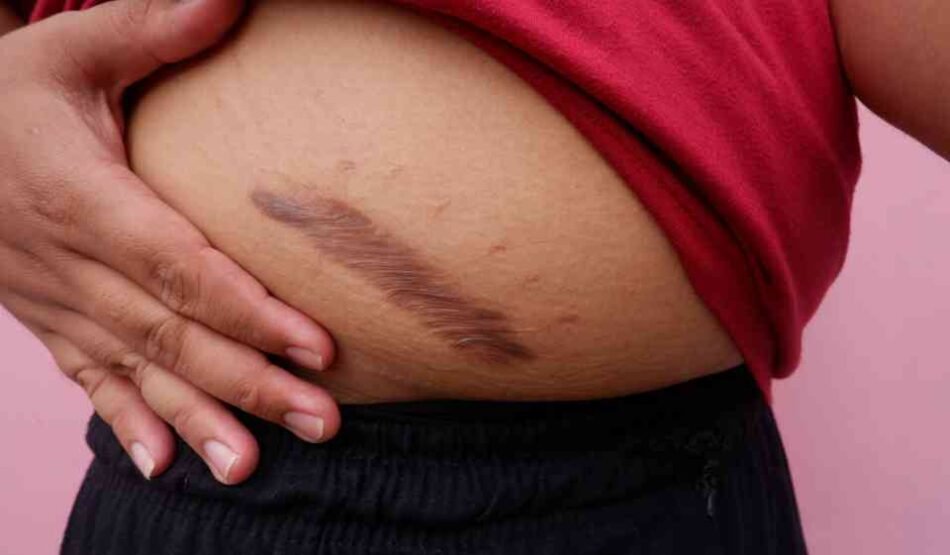
Keloid scars can present a unique aesthetic and physical challenge for many individuals. When skin undergoes an injury or surgical procedure, the body naturally forms scar tissue as part of the healing process. However, in some instances, the healing mechanism overproduces collagen, leading to raised, firm, and often expanding scar formations known as keloids. Finding an effective approach for Keloid Treatment Abu Dhabi requires a clear understanding of the available modern options. Individual skin characteristics and expert medical guidance.
- Understanding Keloids: Recognizing how keloid scars differ from standard hypertrophic scars is the essential first step in selecting an appropriate management strategy.
- Exploring Options: A wide range of advanced non-surgical and surgical options exist to target, flatten, and reduce the appearance of persistent scar tissue.
- Individualizing Care: Tailoring treatment plans based on scar size, age, and location ensures optimal outcomes while supporting long-term skin health.
Understanding the Nature of Keloid Scars
To make an informed decision regarding scar management, it is essential to understand what makes keloids distinct from other types of skin marks. Unlike normal scars, which typically stay within the boundaries of the original wound and gradually fade over time, keloids extend beyond the initial injury border. They are characterized by an overgrowth of fibrous tissue, which can feel rubbery, firm, or smooth to the touch.
- Collagen Overproduction: The primary biological mechanism behind keloid formation is an unchecked proliferation of collagen during the tissue restoration phase.
- Distinct Physical Features: Keloids often exhibit a raised, shiny surface and can range in color from flesh-toned to pink, red, or dark brown depending on skin tone.
- Sensory Symptoms: Many individuals experience localized itching, tenderness, or a sensation of tightness in the area surrounding the scar tissue.
Identifying Common Triggers and Susceptibility
Keloids can develop from virtually any form of skin trauma, regardless of how minor the initial injury may seem. Understanding these triggers helps individuals take proactive precautions and identify early signs of tissue hypertrophy before the scar expands significantly.
- Minor Skin Trauma: Injections, insect bites, minor scrapes, and body piercings are common everyday occurrences that may initiate keloid tissue growth in susceptible individuals.
- Surgical and Thermal Injuries: Surgical incisions, deep cuts, and burns can stimulate strong scar-forming responses, particularly in areas under continuous skin tension.
- Genetic Factors: Genetic predisposition plays a major role; individuals with a family history of raised scars are generally more prone to developing keloids following skin disruption.
Examining Non-Invasive Management Strategies
Non-invasive management options are widely used as first-line approaches for flattening keloids and reducing associated discomfort. These methods focus on modifying tissue structure and regulating collagen synthesis without disrupting the surrounding skin layer.
- Corticosteroid Injections: Administered directly into the target tissue, corticosteroid solutions help reduce localized inflammation. Suppress abnormal collagen production and soften firm scar tissue over a series of session cycles.
- Topical Silicone Formulations: Medical-grade silicone gels and sheets create a protective, hydrating barrier over the scar. Regulating hydration levels and helping flatten raised areas over consistent daily application.
- Compression Therapy: Specialized pressure garments or pressure dressings apply continuous physical force to the affected area. Reducing blood flow to the overgrown tissue and halting further growth.
Exploring Advanced Dermatological Interventions
When conservative management methods require additional reinforcement, modern dermatological advancements offer specialized procedural options. These targeted therapies are designed to alter the structural integrity of the scar tissue.
- Cryotherapy: This procedure utilizes extreme cold to freeze the scar tissue from the inside out. The low temperatures disrupt the vascular supply to the keloid cells, causing the raised area to gradually blister, slough off, and shrink.
- Laser and Light Therapies: Pulsed-dye lasers and specialized light devices target the microscopic blood vessels supplying the scar tissue. By reducing vascularization, laser therapies help reduce redness, diminish volume, and smooth out irregular skin textures.
- Fluorouracil (5-FU) Micro-Injections: Often used independently or combined with traditional solutions, antimetabolite injections inhibit hyperactive cellular growth within stubborn scar tissue formations.
Evaluating Surgical Excision and Combination Plans
In cases involving large, mature, or persistent scar formations, surgical removal may be evaluated. However, because surgical intervention introduces a fresh wound. It is almost always paired with complementary follow-up therapies to achieve long-term success.
- Surgical Tissue Excision: Precise surgical techniques carefully excise the bulk of the raised scar tissue, releasing skin tension and resetting the local skin architecture.
- Immediate Post-Surgical Care: To prevent tissue regrowth, post-removal care often includes specialized dressings, localized therapies, or precise superficial radiation aimed at suppressing cellular activity.
- Multimodal Protocols: Combining surgical excision with immediate non-invasive maintenance creates a comprehensive strategy that significantly enhances overall scar stabilization.
Assessing Key Factors When Choosing a Strategy
Selecting the right pathway requires a careful evaluation of the scar’s unique characteristics and your personal lifestyle considerations. No single method works universally, making a personalized evaluation essential.
- Scar Location and Mobility: Scars located over highly active joints (such as shoulders or knees) experience constant tension. Requiring specialized strategies compared to stationary areas like the chest or earlobes.
- Size and Maturity of the Scar: Softer, newer keloids generally respond well to non-invasive treatments, whereas older, denser scars may require combination protocols or procedural interventions.
- Daily Routine and Adherence: Certain methods, such as silicone sheeting or pressure therapy, require consistent daily application for several months, making personal commitment a crucial selection criterion.
What to Expect During the Evaluation Phase
Before deciding on a specific management route, a detailed visual and physical examination of the affected skin is performed. This consultative phase ensures that the chosen approach aligns perfectly with your skin type and overall objectives.
- Comprehensive Skin Analysis: A thorough assessment of the scar’s color, density, vascularity, and underlying skin elasticity helps establish a realistic roadmap.
- Medical History Review: Factors such as previous scar responses, general health status, and underlying skin conditions are thoroughly examined to ensure total compatibility with potential treatments.
- Custom Plan Development: Based on initial findings, a tailored step-by-step regimen is structured to outline expected milestones and maintenance routines.
Best Practices for Post-Treatment Care and Prevention
Long-term management of scar tissue relies heavily on consistent post-procedural care and preventive measures. Safeguard your skin during the healing window to preserve progress and protect healthy tissue.
- Sun Protection Discipline: Shielding healing scar tissue from direct sunlight using broad-spectrum sun protection or physical coverage prevents dark hyperpigmentation from developing over delicate new skin layers.
- Avoid Selective Trauma: Individuals prone to raised scar tissue should exercise caution regarding unnecessary skin procedures. Such as cosmetic tattoos or non-essential body piercings.
- Hydration and Gentle Skincare: Keeping the skin well-hydrated with gentle, non-irritating moisturizers supports natural barrier function and enhances overall skin elasticity during recovery phases.
Frequently Asked Questions about Keloid Treatment Abu Dhabi
Can keloids resolve on their own without intervention?
Unlike standard hypertrophic scars, keloids rarely shrink or disappear spontaneously without structured therapy. Over time, untreated keloid tissue tends to remain firm and raised. They may gradually expand or remain stable indefinitely without active management.
How do non-surgical methods compare to procedural techniques?
Non-surgical methods like silicone sheets or corticosteroid injections focus on gradual tissue softening and cellular regulation over extended periods. Procedural options, such as cryotherapy or laser treatments, work by actively altering tissue structure and blood supply for faster structural reduction.
Is it possible to completely erase a keloid scar?
While complete erasure back to untouched skin is rarely achievable, modern protocols can significantly flatten the scar. Smooth its texture, fade discoloration, and substantially improve its physical appearance and comfort.
How long does a typical scar management program take?
Duration varies based on scar volume, age, and individual tissue response. Most programs involve multiple sessions spaced several weeks apart. Accompanied by several months of consistent home care maintenance for optimal aesthetic results.


