 WhatsApp Us Now

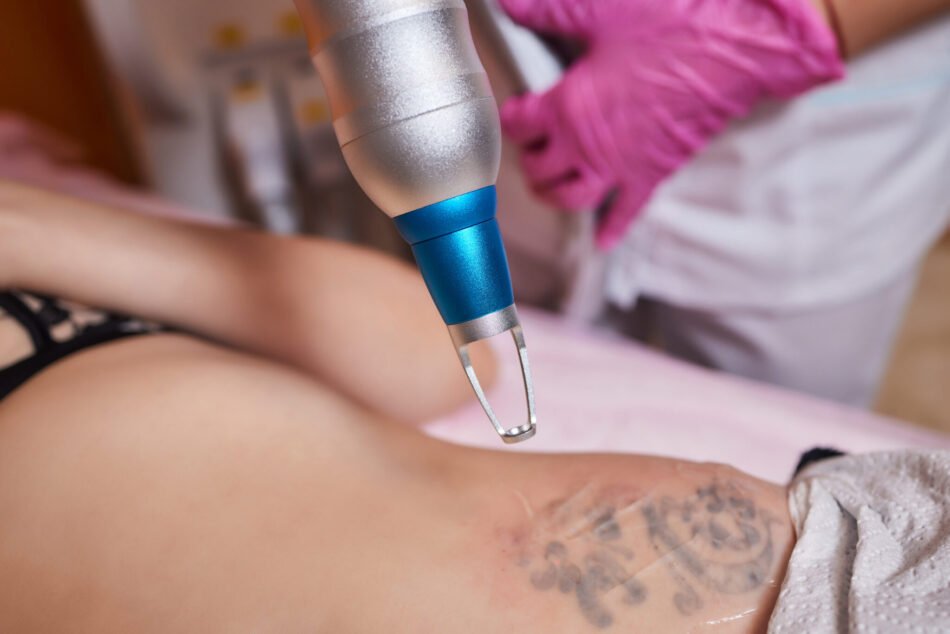
Old tattoos can change in appearance as the skin ages and the ink settles within the skin. Colours may become less vibrant, outlines can appear blurred, and certain designs may no longer match a person’s preferences. For individuals exploring Tattoo Removal Dubai, understanding how tattoo removal addresses unwanted ink can help them make informed decisions about their skin. The approach focuses on reducing the visibility of tattoo pigments while considering the surrounding skin’s natural characteristics.
Why Do Old Tattoos Become Less Appealing?
Several factors can influence how an old tattoo looks over the years. Changes in skin texture, exposure to sunlight, and the original tattoo’s design can contribute to a different appearance. Common concerns associated with old tattoos include:
- Faded or uneven-looking ink.
- Blurred outlines that reduce design clarity.
- Dark pigment that stands out against the surrounding skin.
- Outdated designs that no longer reflect personal style.
How Does Tattoo Removal Address Unwanted Ink?
Tattoo removal uses specialised techniques to target pigment deposited within the skin. Laser technology is commonly used because it delivers concentrated light energy towards tattoo ink. The energy breaks pigment into smaller particles, which the body’s natural processes can gradually clear away.
The suitability of a particular approach depends on several factors, including pigment depth, tattoo composition, skin tone, and the characteristics of the surrounding area. A qualified professional can assess these details and explain which options may be appropriate for an individual’s needs.
Can Tattoo Removal Help With Faded Ink?
Faded tattoos can still remain noticeable, particularly when their outlines or darker sections contrast with the natural skin. Although fading may make a design less vivid, it does not necessarily mean the pigment has disappeared. Tattoo removal can help address the remaining ink by targeting the pigment beneath the skin.
The appearance of an older tattoo is an important consideration when selecting an approach. Some designs contain lighter shades, while others retain concentrated areas of dark ink.
Which Tattoo Colours Require Special Consideration?
Tattoo ink comes in many colours, and each pigment can respond differently to laser energy. Dark inks, particularly black, are generally easier for laser systems to target because they absorb a broad range of relevant wavelengths.
Important colour considerations include:
- Black ink: Often responds well to appropriately selected laser wavelengths.
- Red ink: May require a wavelength suited to red pigments.
- Green and blue ink: Can present different targeting challenges depending on their composition.
- Yellow and white ink: May be more difficult to address with certain laser systems.
Does Tattoo Removal Suit Different Types of Old Designs?
Tattoo removal can be considered for various designs, including lettering, symbols, decorative artwork, and larger illustrations. However, the tattoo’s characteristics play an important role in determining the most appropriate approach.
Older tattoos may also contain pigment that has spread slightly beneath the skin, making the original artwork appear less defined. An assessment of the design, ink density, and skin condition helps clarify whether removal is a suitable option for the individual’s goals.
What Role Does Skin Type Play in Tattoo Removal?
Skin type is an important consideration when selecting a tattoo removal technique. Different skin tones respond differently to laser energy, and choosing suitable settings helps reduce unnecessary effects on the surrounding skin. Existing pigmentation concerns, sensitivity, and previous skin reactions should also be discussed before treatment.
Individuals should share relevant skin-care information with a qualified professional during their assessment. This allows the professional to consider the skin’s characteristics alongside the tattoo’s colour and depth.
Can Tattoo Removal Help Prepare Skin for a Cover-Up?
Some people do not want complete tattoo removal but would prefer to make an existing design less prominent before getting new artwork. In these cases, reducing the visibility of selected ink may help create a different starting point for a cover-up tattoo.
- Lightening dark sections may give a tattoo artist greater design flexibility.
- Reducing the prominence of existing outlines may support a revised composition.
- Addressing unwanted colours may help when planning a different visual style.
Why Is a Professional Tattoo Assessment Important?
A professional assessment helps identify the factors that influence tattoo removal suitability. These include the type of pigment, depth of ink, design size, skin tone, and any previous attempts to remove or modify the tattoo. The assessment also provides an opportunity to discuss potential skin reactions, scarring concerns, and realistic expectations.
People should disclose any history of unusual scarring or skin sensitivity before proceeding. This information helps the professional determine whether additional precautions or an alternative approach should be considered.
What Should You Consider Before Choosing Tattoo Removal?
Before selecting a removal option, individuals should understand their personal goals and the characteristics of the tattoo they want to address. Useful considerations include:
- Whether the goal is partial fading or more extensive ink removal.
- Which colours and design elements are most noticeable.
- The condition of the surrounding skin.
- The professional’s experience with the relevant tattoo and skin type.
- Appropriate aftercare and protection of the treated area.
Final Thoughts
Tattoo removal can be a useful option for people who want to address the appearance of old ink marks and reconsider designs that no longer suit their preferences. Modern laser techniques can target tattoo pigments, although the suitability of treatment depends on factors such as ink colour, pigment depth, tattoo size, and individual skin characteristics. A professional assessment can help clarify the available approaches, explain relevant skin considerations, and establish realistic expectations.


