 WhatsApp Us Now

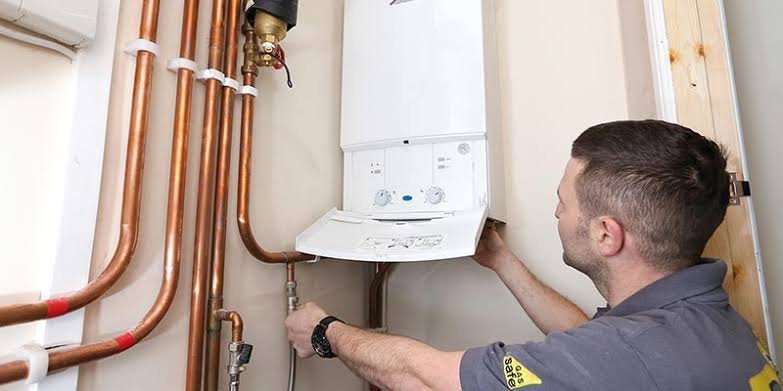
Choosing a new boiler is rarely just a case of picking a model from a list and booking an installation date. For homeowners in Bromley, the property itself can make a big difference to what type of boiler, controls and heating setup will work well.
Some households are replacing an unreliable old appliance. Others are renovating a property and need a new heating system from the beginning. There are also homeowners who simply want to understand what is involved before paying for an installation.
A Boiler Installation in Bromley can feel like a major job from the homeowner’s side, but the process becomes much easier when the important decisions are explained clearly from the start.
Does Every Bromley Home Need the Same Boiler?
No. This is one of the first things homeowners discover when they start comparing installation options.
The right setup can depend on the property’s size, the number of bathrooms, hot-water demand, existing heating system and available space.
A smaller home with modest hot-water demand may have different requirements from a larger property where several people regularly use hot water at the same time.
This is why choosing a boiler purely because it has a high output or a particular price can be misleading. The appliance needs to suit the way the home is actually used.
An experienced heating professional would generally assess the property first and then recommend an appropriate setup rather than starting with a particular boiler model.
What Do Homeowners Usually Notice During Installation?
The installation process can be more involved than many homeowners expect.
Before work begins, the engineer may need to consider the existing boiler position, pipework, flue arrangement, condensate route and controls.
For someone expecting a straightforward replacement, this is often the point where questions start coming up.
Will the boiler stay in the same location?
Does the pipework need changing?
Will the thermostat be replaced?
How long will the heating be unavailable?
Will anything need to be moved around the property?
These are normal concerns.
A good installation experience usually starts with explaining these details before the work begins. Homeowners are generally more comfortable when they know what will happen inside the property rather than discovering changes as the installation progresses.
Replacing the Boiler Is Not Always the Whole Job
One thing homeowners often learn during installation is that the boiler is only one part of the heating system.
The condition of the surrounding pipework, controls and other connected components can affect how the finished system performs.
For example, installing a new appliance while overlooking an unsuitable part of the existing setup can create avoidable problems later.
This is why a proper Boiler Installation in Bromley should be approached as a heating-system project rather than simply removing one box from the wall and putting another in its place.
The goal is to make the new appliance work properly with the property around it.
How Do Bromley Homeowners Usually Feel About the Process?
The homeowner experience often changes depending on communication.
Before installation, there can be uncertainty about price, duration, disruption and the final appearance of the system.
During the work, homeowners generally want the property treated carefully and the installation area kept as organised as possible.
Afterwards, the important questions become different:
How do I use the controls?
What temperature should I set?
What does this display mean?
What paperwork should I keep?
What should I do if the boiler shows a warning?
These practical questions are easy to overlook when attention is focused entirely on getting the new boiler fitted.
A clear handover at the end can make a big difference. Homeowners should understand the basic controls and know where their installation and warranty information has been recorded.
What About Heating Controls?
A new boiler does not have to mean using the heating in exactly the same way as before.
Controls can influence how easily a homeowner manages heating throughout the day. Depending on the system, this may involve thermostats, programmers, smart controls or zoning arrangements.
The important point is not to install controls simply because they are available. They should make sense for how the household uses the property.
A homeowner who is out most of the day may have different requirements from a family that is regularly at home.
During installation, it is useful to ask the engineer to explain the controls in practical terms rather than leaving the homeowner to work everything out later.
What Happens to the Old Boiler?
Removing the existing boiler is another part of the homeowner experience that deserves attention.
Older appliances can leave behind redundant pipework, fixings or other parts that are no longer needed. The installer may need to decide what can be removed, what should remain and whether any existing components should be adapted for the new system.
Homeowners generally appreciate knowing how the old equipment will be dealt with before the work begins.
It also helps to discuss the condition of the surrounding area. Replacing a boiler can involve drilling, pipework changes and other installation work, so a realistic understanding of the disruption is better than assuming the job will leave everything exactly as it was.
Is the Cheapest Installation Always the Simplest Choice?
Price is naturally important when arranging a new boiler.
However, comparing installation quotes only by the final number can leave out details that affect the actual job.
Two quotations can look similar while covering different levels of work. One may include changes to pipework, upgraded controls or additional installation requirements, while another may be based on a more limited replacement.
Homeowners should therefore look at what is included rather than comparing prices in isolation.
Useful questions include:
What boiler model is being installed?
What controls are included?
Will the existing pipework be altered?
Is removal of the old appliance included?
What documentation will be provided?
What happens if an unexpected installation issue is discovered?
These questions can make a quotation much easier to understand.
What Makes a Good Installation Experience?
From a homeowner’s perspective, good installation is not only about the finished boiler.
It is also about the journey from the initial assessment to the final handover.
Homeowners generally value clear appointment arrangements, careful work inside the property, straightforward explanations and a clean finish.
They also want the installer to point out anything that differs from the original plan before making unnecessary changes.
An experienced installer will normally consider the practical realities of the property, not just the appliance specification. That means looking at access, existing connections, system condition and how the household actually uses its heating.
FAQs
How long does a boiler installation take?
The time can vary depending on whether the job is a straightforward replacement or involves changes to pipework, controls or the wider heating system.
Can the new boiler go where the old one was?
Often it can, but the existing position needs to be assessed. The flue, connections, access and surrounding installation can all affect the final arrangement.
Do I need new heating controls?
Not necessarily. It depends on the existing controls, the new boiler and what would be useful for the household.
What should I receive after installation?
Homeowners should keep the relevant installation and warranty documentation and understand how to operate the new system.
Should I choose a boiler based only on output?
No. The appropriate size and setup depend on the property and household requirements, not simply on choosing the largest appliance available.
For anyone planning a Boiler Installation in Bromley, the most useful approach is to look at the complete heating setup rather than focusing only on the boiler itself.
The best installation experience is one where the property is assessed properly, the homeowner understands what is being proposed and the finished system is handed over with clear instructions.
A new boiler should feel like an improvement to everyday life, not a piece of equipment the homeowner has to figure out after the installer has left.


