 WhatsApp Us Now

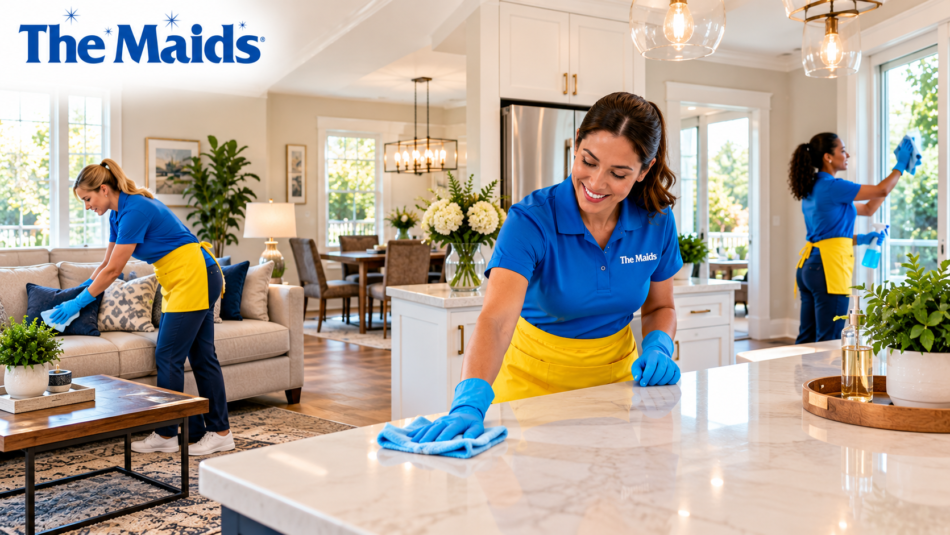
Professional cleaning can help you maintain a comfortable home, but everyday activities still create dust, crumbs, clutter, and mess. Cooking, walking through the house, using the bathroom, and spending time with family all contribute to the work needed to keep your home clean.
Professional cleaning can help you maintain a comfortable home, but everyday activities still create dust, crumbs, clutter, and mess. Cooking, walking through the house, using the bathroom, and spending time with family all contribute to the work needed to keep your home clean.
The good news is that you do not need to spend hours cleaning every day. A few simple habits can help you maintain your home between professional cleaning visits.
If you use home cleaning services in Brookline, these practical tips can help you get more value from each appointment and make your daily cleaning routine easier.
1. Make Your Bed Every Morning
Making your bed is a simple way to make your bedroom look tidier. It takes only a few minutes and can create a sense of order at the beginning of the day.
You do not need to arrange every pillow perfectly. Straighten the sheets, pull up the blanket, and place pillows neatly.
To make this habit easier:
- Keep extra decorative items to a minimum.
- Put away clothes instead of leaving them on the bed.
- Open the curtains when appropriate to let in natural light.
- Change and wash bedding according to your household routine.
Making your bed does not replace dusting or vacuuming, but it can make the room feel more organized between cleaning appointments.
2. Wipe Kitchen Counters After Cooking
Kitchen counters often collect food crumbs, oil, spills, and water marks. Cleaning them after preparing food helps prevent residue from sitting on the surface.
Use a cleaning product suitable for your countertop material and follow the product instructions.
Try this quick routine:
- Remove crumbs and leftover food.
- Wipe spills as soon as it is safe.
- Clean the surface with an appropriate product.
- Dry the counter if the material requires it.
- Return frequently used items to their proper places.
Avoid using abrasive cleaners on delicate surfaces unless the manufacturer recommends them. If you are unsure which product is safe, check the countertop care instructions.
3. Clean Small Spills as Soon as Possible
Spills are easier to manage when they are addressed quickly. A drink spilled on the floor or sauce dropped on a counter can become harder to remove if it dries.
Keep suitable cloths and cleaning supplies in an accessible place, but store chemicals safely away from children and pets.
When a spill happens:
- Remove any solid material carefully.
- Use a suitable cloth or paper towel to absorb the liquid.
- Clean the surface according to its material.
- Dry the area when appropriate.
- Check that the floor is no longer slippery.
For spills involving strong chemicals or unknown substances, follow the product’s safety instructions rather than treating them like ordinary food spills.
4. Put Items Back After Using Them
Clutter can make a clean home look messy. Shoes near the door, clothes on chairs, and personal items on countertops can quickly accumulate during a busy week.
Returning items to their usual places is one of the easiest ways to maintain a tidy home.
You can make this habit simpler by:
- Keeping a basket for items that belong in another room.
- Providing a designated place for keys and bags.
- Putting away clothes at the end of the day.
- Returning books and remote controls after use.
- Sorting mail instead of leaving it on the counter.
You do not need to organize everything at once. Spend a few minutes each evening putting frequently used items away.
5. Keep the Bathroom Tidy After Use
Bathrooms can become messy through everyday use. Water spots, toothpaste residue, used towels, and products left around the sink can make the room look untidy.
A short daily routine can help maintain the bathroom between professional visits.
Try to:
- Wipe water from the sink when needed.
- Rinse away toothpaste residue.
- Hang towels so they can dry.
- Put personal care products back in their place.
- Remove visible hair from the sink or floor.
- Keep the floor dry to reduce slipping.
Use appropriate bathroom cleaners according to their instructions. Never mix bleach with ammonia or acidic cleaning products, as this can create dangerous fumes.
6. Vacuum or Sweep High-Traffic Areas
Entryways, kitchens, hallways, and living rooms often collect dirt faster than less frequently used spaces. Shoes can bring in outdoor debris, while cooking and everyday movement create crumbs and dust.
Cleaning high-traffic areas between professional visits helps prevent dirt from spreading through the home.
Useful habits include:
- Sweeping the kitchen floor after messy cooking.
- Vacuuming visible crumbs from carpets.
- Cleaning the entryway regularly.
- Using doormats to catch outdoor dirt.
- Removing pet hair from frequently used areas.
You may not need to clean every floor daily. Focus on the areas that become dirty most quickly and adjust the routine to your household.
7. Take Out Rubbish Before It Overflows
Rubbish can create unpleasant odors if it remains in a bin for too long, especially when it contains food waste. Taking it out regularly helps keep the kitchen and other rooms more comfortable.
Make waste management part of your daily or weekly routine.
Remember to:
- Empty kitchen bins before they overflow.
- Use suitable liners.
- Clean the bin if spills occur.
- Separate recycling according to local requirements.
- Store rubbish securely until collection.
If food waste produces strong odors, check whether the bin needs cleaning and make sure waste is disposed of appropriately.
8. Manage Laundry in Small Steps
Laundry can quickly become a large task when clothes, towels, and bedding pile up. Keeping laundry manageable between professional cleaning visits can also help prevent bedrooms and bathrooms from becoming cluttered.
You can make the process easier by:
- Using a hamper for dirty clothes.
- Separating items according to care instructions.
- Running loads on a regular schedule.
- Folding clean clothes promptly.
- Returning clothes to wardrobes or drawers.
- Changing towels and bedding as needed.
Laundry may not be included in your professional cleaning service, so ask before assuming it is part of the appointment.
9. Spend Ten Minutes Tidying Each Evening
A short daily tidy-up can make a noticeable difference. Instead of waiting until the weekend, spend a few minutes returning items to their places and preparing your home for the next day.
Set a timer for ten minutes and focus on the areas that need the most attention.
You might:
- Clear the living room table.
- Put away toys or books.
- Wipe the kitchen counter.
- Straighten cushions.
- Collect items that belong in other rooms.
- Prepare the entryway for the morning.
The goal is not to make the entire house perfect. It is to prevent everyday mess from building up.
10. Communicate With Your Professional Cleaning Team
If you already use professional home cleaning, communication can help you get better results. Tell the company which areas become dirty most quickly and whether your household needs have changed.
For example, you may need extra attention in the kitchen after a period of frequent cooking or additional vacuuming when a pet sheds more hair.
Before a visit:
- Confirm the agreed service checklist.
- Share any special surface-care instructions.
- Identify priority rooms.
- Mention areas that need extra attention.
- Ask whether additional tasks require more time or payment.
Clear communication helps the cleaner understand your expectations and makes it easier to maintain a consistent routine.
A Simple Weekly Home Cleaning Routine
You can use this basic schedule as a starting point and adjust it to your needs.
- Daily: Wipe kitchen counters, put away clutter, and clean obvious spills.
- Two or three times a week: Sweep high-traffic floors and tidy frequently used rooms.
- Weekly: Change bedding as needed, manage laundry, and clean surfaces that need attention.
- Between professional visits: Focus on small maintenance tasks rather than repeating every deep-cleaning job.
The right routine depends on the size of your home, your family, and whether you have pets.
Conclusion
Keeping your home clean between professional visits does not require hours of work. Simple habits such as wiping kitchen counters, putting items away, managing laundry, and cleaning small spills can prevent everyday mess from becoming overwhelming.
If you use home cleaning services in Brookline, these habits can help maintain your home between appointments. Focus on a few manageable tasks each day and communicate with your cleaning provider about the areas that need the most attention.


